

BREAKING DOWN THE DIFFERENCES: A COMPREHENSIVE COMPARISON OF VIETNAMESE AND CHINESE CANNED LYCHEE
Lychee is a popular fruit that is enjoyed around the world, and Vietnam and China are two of the largest producers of canned lychee. Both countries have a thriving canned lychee industry, but there are some key differences between the two that are worth exploring. In this article, we will break down the differences between Vietnamese and Chinese canned lychee in terms of taste, texture, and production methods.
Taste
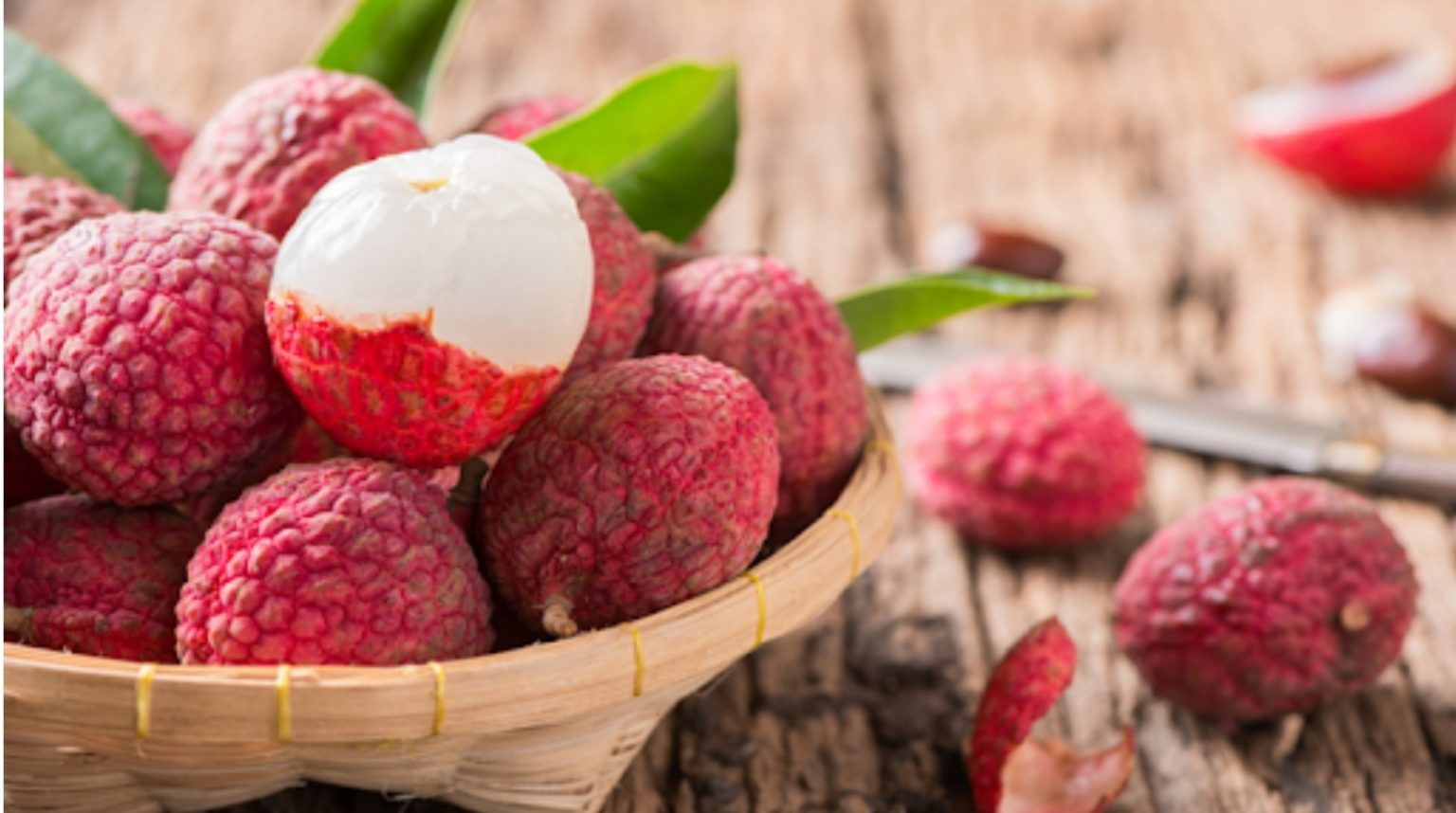
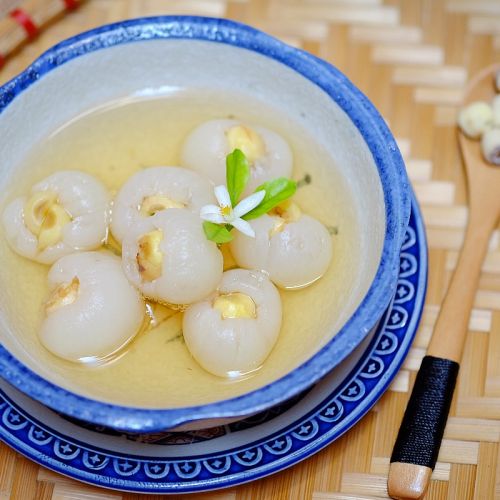
Vietnam lychee
One of the biggest differences between Vietnamese and Chinese canned lychee is their taste. Vietnamese canned lychee is known for its sweet, fragrant flavor, while Chinese canned lychee has a slightly tart taste. The difference in taste can be attributed to the variety of lychee used for canning. Vietnamese canned lychee is typically made using the "Thieu" variety, which has a smaller seed and a sweeter taste, while Chinese canned lychee is made using the "Brewster" variety, which has a larger seed and a slightly tart taste.
Texture
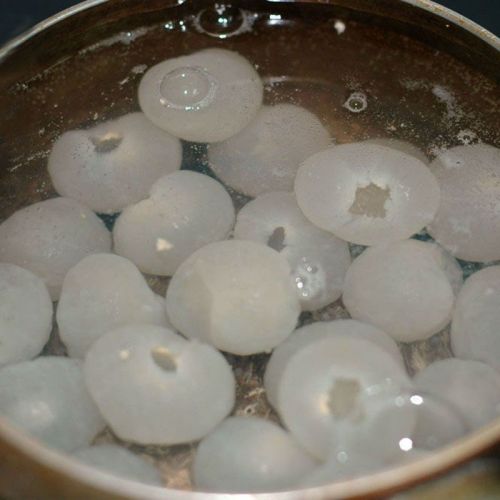
Another difference between Vietnamese and Chinese canned lychee is its texture. Vietnamese canned lychee has a softer texture and is often described as "melt-in-your-mouth," while Chinese canned lychee has a firmer texture and is chewy. The difference in texture can be attributed to the way the lychee is processed before canning. Vietnamese canned lychee is typically peeled and pitted before canning, while Chinese canned lychee is often canned with the seed still intact.
Production Methods
The production methods for Vietnamese and Chinese canned lychee are similar, but there are some differences. In Vietnam, lychee is typically canned within 24 hours of picking to ensure maximum freshness and flavor. The fruit is sorted, washed, peeled, and pitted before being packed into cans with a syrup solution. The cans are then sealed and sterilized in high-temperature boilers before being labeled and packaged for distribution.
In China, lychee is also typically canned within 24 hours of picking. The fruit is sorted, washed, and canned with the seed still intact. The cans are then filled with a syrup solution, sealed, and sterilized in high-temperature boilers before being labeled and packaged for distribution.
Packaging
There are also some differences in the packaging of Vietnamese and Chinese canned lychee. Vietnamese canned lychee is often packaged in smaller cans and labeled with the "VietGAP" certification mark, which indicates that the fruit has been grown and processed according to Vietnamese agricultural standards. Chinese canned lychee is often packaged in larger cans and labeled with the "QS" certification mark, which indicates that the fruit has passed Chinese quality and safety standards.
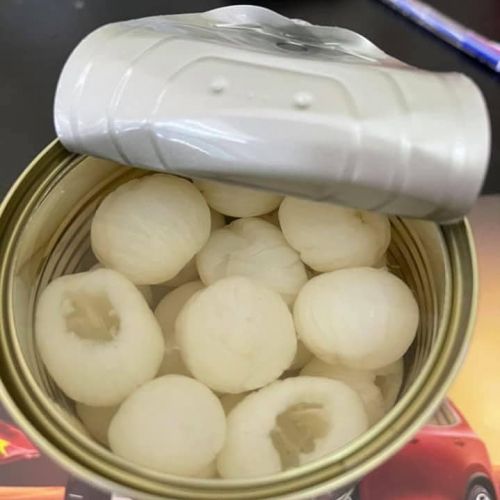
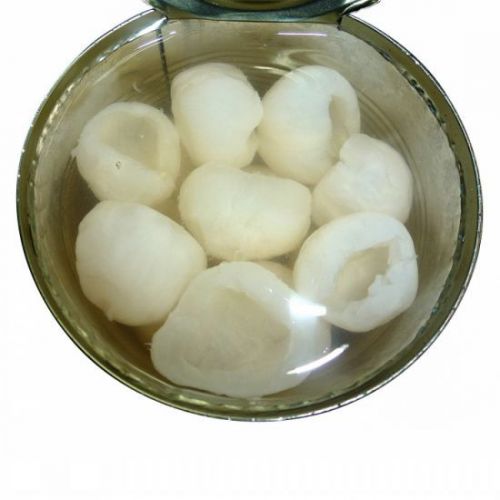
Vietnam canned lychee
Conclusion
In conclusion, while Vietnamese and Chinese canned lychee are similar in many ways, there are some key differences to note. Vietnamese canned lychee is known for its sweet, fragrant flavor and softer texture, while Chinese canned lychee has a slightly tart taste and firmer texture. The differences in taste and texture can be attributed to the variety of lychee used and the way the fruit is processed before canning. While both countries have established themselves as key players in the global canned lychee market, the differences between Vietnamese and Chinese canned lychee make for a unique taste experience that is worth exploring.
(Resources: copy)
BPFOOD - Vietnam canned fruits, vegetables and agriculture products
MHDI Building, no. 68, Nguyen Co Thach street, Nam Tu Liem district, Hanoi, Vietnam
Factory: Tien Lu, Hung Yen
Mob/What’sapp/Viber: 0084 868989350
Email:
info@bachphuongglobal.com
Website: www.bpfood.com.vn
Related posts