

Ensuring High-Quality Fresh Lychee Exports from Vietnam to the EU
When it comes to exporting fresh lychee from Vietnam to the European Union (EU), meeting the stringent quality control measures is of utmost importance. Adherence to the EU export standards ensures that Vietnamese lychee is not only visually appealing but also meets the desired taste and safety criteria. This article delves into the quality control measures implemented by Vietnam to ensure the successful export of high-quality fresh lychee to the EU market.
1. Quality Standards and Criteria
Vietnam places significant emphasis on meeting the quality standards set by the EU for fresh lychee exports. These standards encompass various criteria such as fruit size, color, firmness, sweetness, and absence of pests or diseases. To ensure compliance, rigorous monitoring and inspections are carried out at every stage of the lychee production and export process.
2. Good Agricultural Practices (GAP)
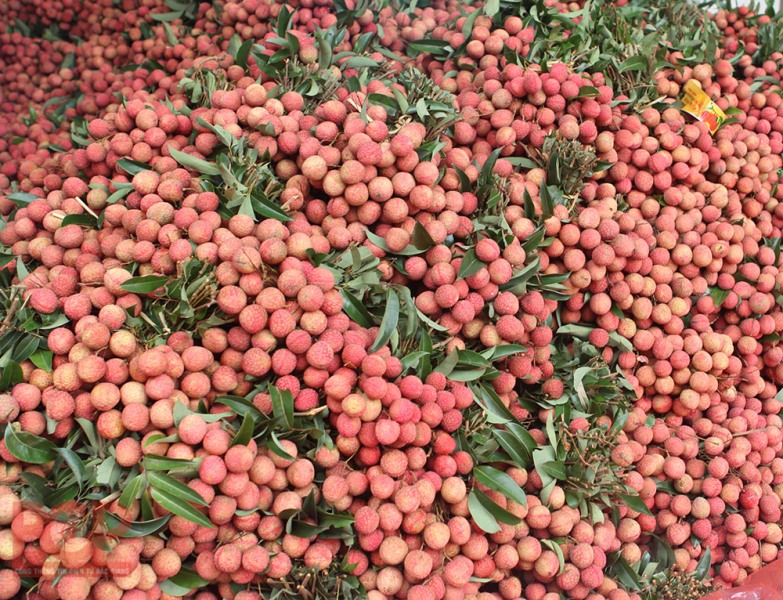
The implementation of Good Agricultural Practices plays a pivotal role in ensuring the quality of fresh lychee. Vietnamese lychee growers follow strict guidelines that cover various aspects of cultivation, including proper land preparation, responsible pesticide use, irrigation management, and post-harvest handling techniques. Adhering to GAP not only enhances the quality of lychee but also minimizes potential health risks associated with pesticide residues.
3. Grading System
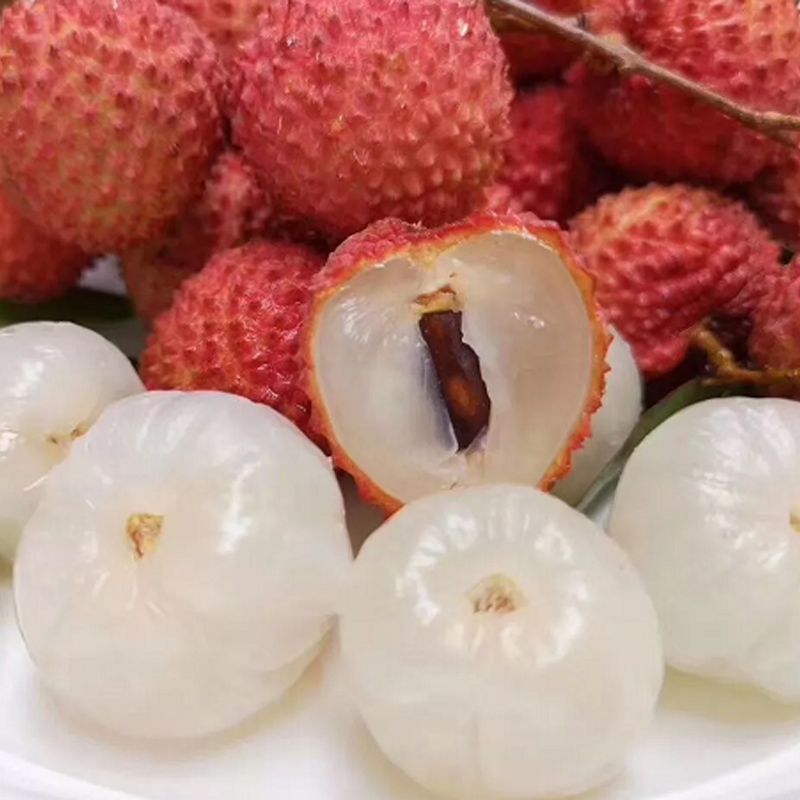
Vietnam utilizes a grading system to classify fresh lychee based on quality attributes such as size, color, and appearance. This system enables growers to sort lychee into different categories, ensuring that only the highest quality fruits are selected for export. By adhering to specific grading requirements, Vietnamese lychee exporters can consistently deliver premium products that meet the EU's expectations.
4. Packaging and Handling
Proper packaging and handling are crucial in preserving the quality and freshness of fresh lychee during transportation. Special attention is given to the selection of packaging materials that protect the fruit from physical damage and maintain optimal temperature and humidity levels. Additionally, meticulous handling procedures are followed to minimize bruising and maintain the lychee's visual appeal.
5. Quality Control Inspections
Vietnamese lychee destined for the EU undergoes rigorous quality control inspections. These inspections are carried out by authorized agencies and focus on various aspects, including visual appearance, taste, aroma, and adherence to safety standards. Only the lychee that meets the specified quality parameters is granted the necessary certifications for export.
Vietnam's commitment to implementing stringent quality control measures ensures that its fresh lychee exports to the EU meet the highest standards. By adhering to guidelines related to quality criteria, Good Agricultural Practices, grading systems, packaging, and thorough inspections, Vietnamese lychee growers and exporters can confidently supply the EU market with premium, safe, and delicious lychee fruits.
BPFOOD - Vietnam canned fruits, vegetables and agriculture products
MHDI Building, no. 68, Nguyen Co Thach street, Nam Tu Liem district, Hanoi, Vietnam
Factory: Tien Lu, Hung Yen
Mob/What’sapp/Viber: 0084 868989350
Email:
info@bachphuongglobal.com
Website: www.bpfood.com.vn
Related posts
PRODUCTION PROCESS OF CANNED LONGAN
Blog | 24/03/2023
Canned Longan: A Convenient and Sustainable Alternative
Blog | 12/04/2023