
From Field to Can: A Comparison of Vietnamese and Chinese Canned Lychee Production
Lychee is a popular fruit that is enjoyed by people all over the world. Vietnam and China are two of the largest producers of lychee, and both countries have a thriving canned lychee industry. In this article, we will take a closer look at the canned lychee production processes in Vietnam and China and compare their similarities and differences.
Vietnamese Canned Lychee Production
In Vietnam, lychee is primarily grown in the northern provinces, with the main production area being in Bac Giang, Hai Duong, and Hung Yen. Vietnamese lychee is harvested from May to July, and the fruit is typically canned within 24 hours of picking to ensure maximum freshness and flavor.
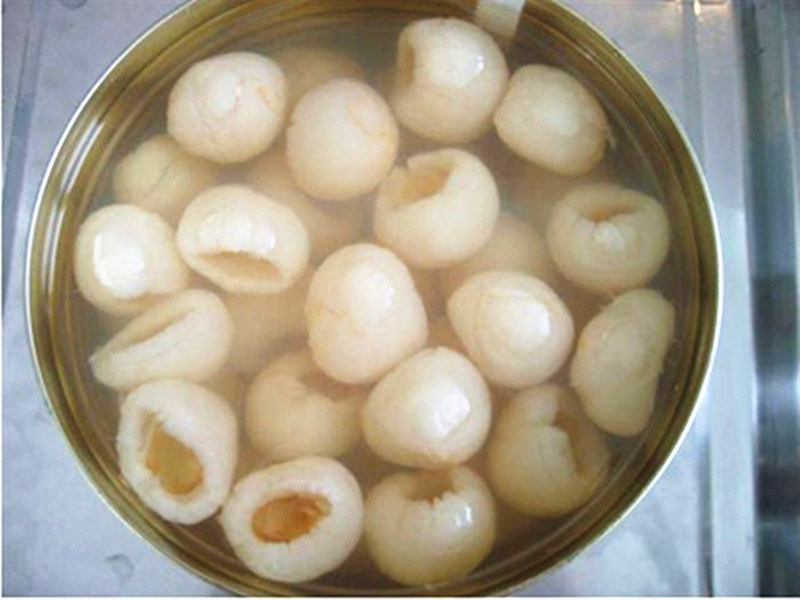
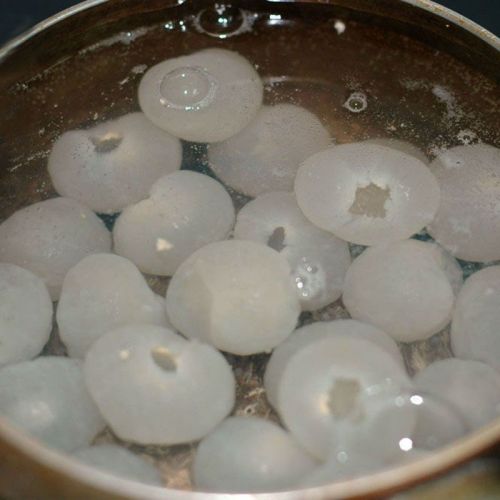
Canned lychee
The canned lychee production process in Vietnam starts with the sorting and grading of the fruit. The lychee is then washed, peeled, and pitted before being packed into cans with a syrup solution. The cans are then sealed and sterilized in high-temperature boilers before being labeled and packaged for distribution.
Vietnamese canned lychee is known for its sweet, fragrant taste and is popular both domestically and internationally. The Vietnamese government has been actively promoting the country's canned lychee industry in recent years, with a particular focus on expanding exports to key markets such as the US, Japan, and Europe.
Chinese Canned Lychee Production
In China, lychee is primarily grown in the southern provinces, with the main production areas being in Guangdong, Fujian, and Guangxi. Chinese lychee is typically harvested from June to August, and the fruit is also canned within 24 hours of picking to ensure maximum freshness and flavor.
The canned lychee production process in China is similar to that of Vietnam, with the fruit being sorted, washed, peeled, and pitted before being packed into cans with a syrup solution. The cans are then sealed and sterilized in high-temperature boilers before being labeled and packaged for distribution.
Chinese canned lychee is also known for its sweet, fragrant taste and is popular both domestically and internationally. China is the largest producer of lychee in the world and has a well-established canned lychee industry that exports to markets around the globe.
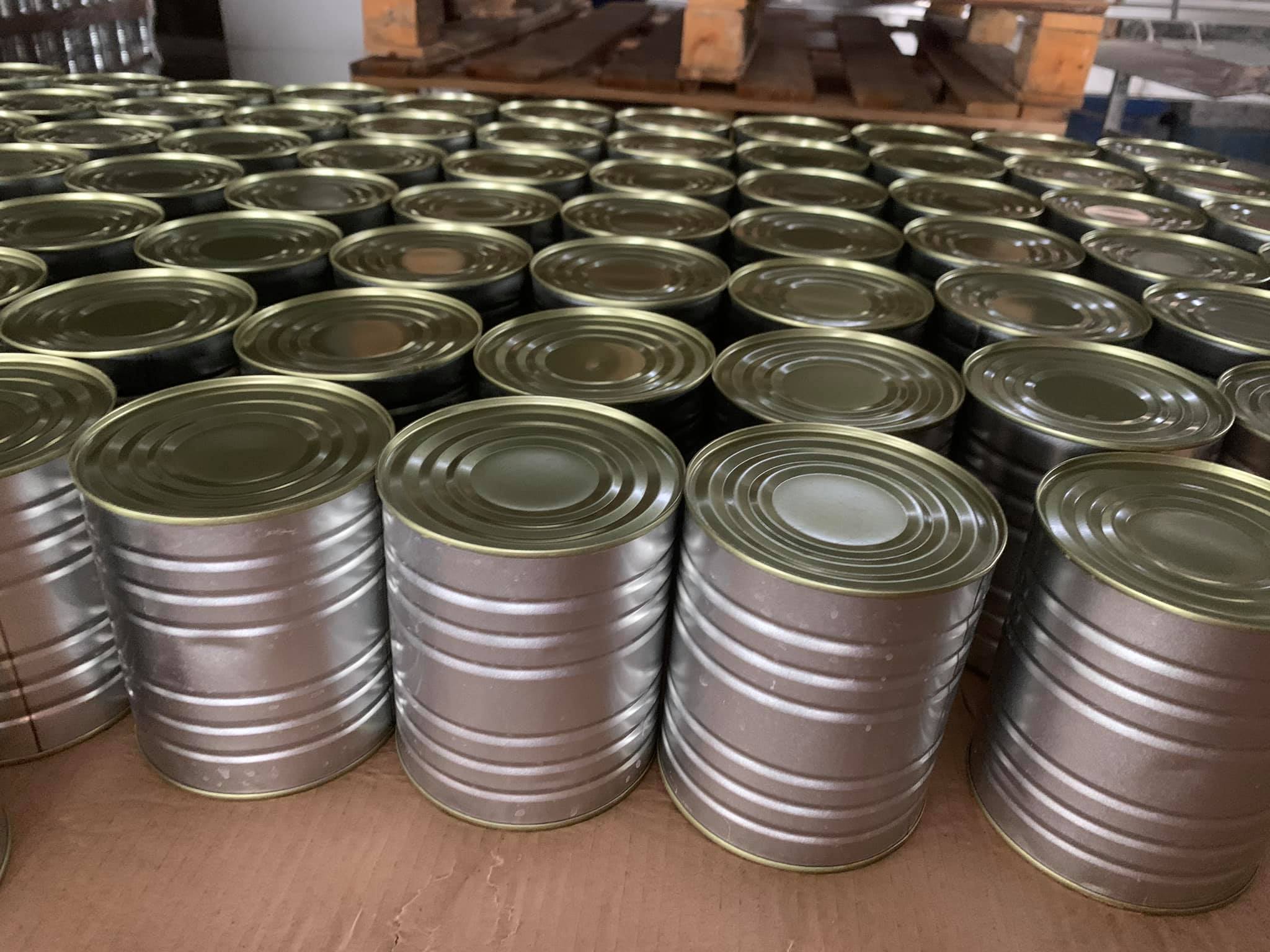
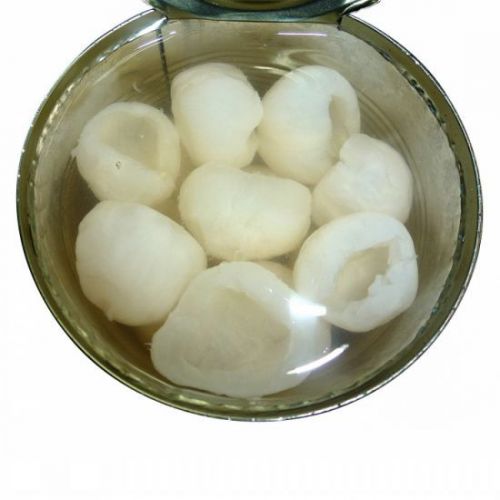
Vietnam canned lychee packing
Comparison of Vietnamese and Chinese Canned Lychee Production
While the canned lychee production processes in Vietnam and China are similar, there are some key differences to note. One difference is the types of lychee that are used for canning. Vietnamese canned lychee is typically made using the "Thieu" variety, which has a smaller seed and a sweeter taste compared to the "Brewster" variety used in China.
Another difference is the packaging and labeling of the canned lychee. Vietnamese canned lychee is often packaged in smaller cans and labeled with the "VietGAP" certification mark, which indicates that the fruit has been grown and processed according to Vietnamese agricultural standards. Chinese canned lychee is often packaged in larger cans and labeled with the "QS" certification mark, which indicates that the fruit has passed Chinese quality and safety standards.

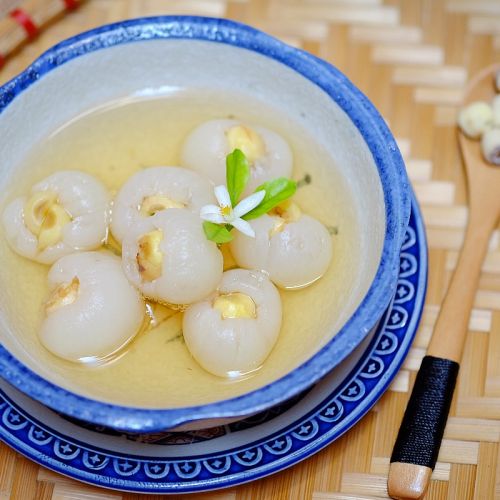
Vietnam canned lychee
Conclusion
In summary, both Vietnam and China have a thriving canned lychee industry, with similar production processes and high-quality products. While there are some differences in the types of lychee used and the packaging and labeling of the canned fruit, both countries have established themselves as key players in the global canned lychee market. Whether you prefer Vietnamese or Chinese canned lychee, there's no denying the sweet and fragrant taste of this delicious fruit in a can.
BPFOOD - Vietnam canned fruits, vegetables and agriculture products
MHDI Building, no. 68, Nguyen Co Thach street, Nam Tu Liem district, Hanoi, Vietnam
Factory: Tien Lu, Hung Yen
Mob/What’sapp/Viber: 0084 868989350
Email:
info@bachphuongglobal.com
Website: www.bpfood.com.vn
Related posts